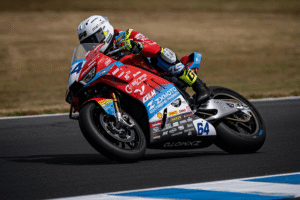

As another Formula 1 season continues to showcase the limits of automotive engineering, most spectators focus on lap times, overtaking and championship battles.
Behind every fast lap, however, is a far less visible engineering challenge: maintaining precise geometry, alignment and surface quality inside an engine operating under extreme mechanical and thermal conditions.
That same engineering principle extends far beyond motorsport.
For the global heavy-duty engine remanufacturing industry, precision machining and bore alignment are fundamental to restoring reliable engine performance.
What Does Formula 1 Teach Us About Engine Precision?
Modern Formula 1 power units operate in an exceptionally demanding environment. High rotational speeds, thermal loads, vibration and continuous mechanical stress place enormous demands on the geometry and dimensional control of engine components.
Manufacturers therefore rely on advanced machining, inspection and metrology throughout the production process.
The important lesson is not that a commercial diesel engine needs Formula 1 manufacturing tolerances.
It doesn’t.
The lesson is much simpler:
When multiple rotating components must work together, accurate geometry and alignment matter.
This principle applies equally to engines used in trucks, construction equipment, agricultural machinery, marine vessels and industrial power systems.
Why Does Engine Block Alignment Matter During Remanufacturing?
Unlike a new racing engine, an engine remanufacturer starts with a used component.
An engine block may have accumulated thousands of operating hours before entering the rebuilding process. Long-term mechanical loads, thermal cycling, overheating, bearing damage and previous repairs can gradually affect its internal geometry.
The block may still appear structurally sound while critical bearing bores have become worn or misaligned.
This creates an important challenge for engine rebuilders:
A worn component cannot always be restored simply by replacing the parts installed inside it.
The underlying geometry must also be inspected and, when necessary, corrected.
What Happens When Bearing Bores Become Misaligned?
The crankshaft and related rotating components depend on correctly positioned bearing supports.
If the bearing bores are worn or no longer aligned correctly, the rebuilt engine may experience problems such as:
- Uneven bearing loading
- Incorrect bearing clearance
- Increased friction
- Abnormal component wear
- Lubrication problems
- Crankshaft alignment issues
- Increased vibration
- Reduced service life
This is why professional engine rebuilding is fundamentally a machining and measurement process, not simply a component replacement operation. Tools like the LD2300 Horizontal Line Boring Machine and the AB320 Connecting Rod Boring Machine are specifically designed to restore bore geometry with the accuracy that remanufacturing demands.
Why Is Line Boring Important in Engine Rebuilding?
Horizontal line boring is one of the established machining processes used to restore the geometry and alignment of engine-block bearing bores.
The process allows related bores to be machined along a common centerline rather than treating every bore as an isolated feature.
For engine rebuilders, this is particularly important when dealing with worn or distorted main bearing tunnels.
The objective is not simply to remove material.
The objective is to restore the correct relationship between the bores.
Why Are Heavy-Duty Engines Particularly Demanding?
Heavy-duty engines are designed to operate for long periods under substantial loads.
They power:
- Class 8 trucks
- Construction machinery
- Agricultural equipment
- Mining equipment
- Marine vessels
- Industrial power systems
- Generator sets
When these engines eventually require rebuilding, the engine block itself can represent a valuable recoverable component.
Professional remanufacturing therefore depends on the ability to inspect, measure and restore components rather than automatically replacing them. This is one reason precision machining remains an important part of the modern engine-remanufacturing industry.
Is Engine Remanufacturing Becoming More Important?
The economics of engine repair are changing.
A complete engine replacement can be expensive, particularly for heavy-duty commercial equipment where the engine represents a significant portion of the machine’s value.
At the same time, many engine blocks remain structurally serviceable even after thousands of operating hours.
Remanufacturing allows suitable components to be inspected, machined and returned to service.
This creates a balance between component recovery, machining precision and operating reliability.
The result is not simply a repaired engine.
It is a process designed to recover usable engineering value from an existing engine core.
What Can Heavy-Duty Engine Rebuilders Learn From Motorsport?
Formula 1 and heavy-duty engine remanufacturing operate at very different ends of the engineering spectrum.
F1 focuses on extracting maximum performance from newly manufactured components.
Engine remanufacturers focus on restoring reliable performance from components that have already experienced years of operation.
Yet both depend on several common engineering principles:
- Measurement before machining. A component must be understood before material is removed.
- Alignment matters. Individual components do not operate independently. Their geometric relationship determines how effectively they work together.
- Surface quality matters. Machining is not simply about achieving a dimension. The resulting surface must also be suitable for its intended function.
- Inspection is part of manufacturing. Precision machining without measurement cannot reliably guarantee the desired result.
Why Is Precision Machining Important for the Future of Engine Rebuilding?
As heavy-duty engines become more expensive and engine cores become increasingly valuable, professional rebuilders need reliable ways to determine which components can be recovered.
Advanced machining and measurement technologies allow workshops to work with tighter dimensional control while improving process consistency.
This is particularly important for specialized engine machine shops that handle a wide range of diesel, truck, agricultural, marine and industrial engines. Equipment such as the MQ6280 Crankshaft Grinding Machine, FG500 Flywheel Grinding Machine, and BV60 Valve Seat Cutting Machine enable shops to restore critical mating surfaces to the tolerances required for long-term reliability.
The future of engine remanufacturing is therefore not simply about replacing worn parts.
It is increasingly about measuring accurately, machining intelligently and recovering components whenever their condition allows it.
Precision Engineering Is Not Only a Motorsport Advantage
Formula 1 provides an extreme and highly visible example of precision engineering.
Heavy-duty engine remanufacturing represents a much larger and less visible industrial application of many of the same fundamental principles.
A racing engine may be designed for maximum performance over a tightly controlled operating cycle.
A rebuilt truck, marine or industrial engine may need to deliver reliable service for thousands of additional operating hours.
The objectives are different.
The engineering discipline is not.
Accurate geometry, controlled machining and reliable alignment remain fundamental to engine performance — whether the engine is competing on a racetrack or powering a truck across a continent.
That is the quiet connection between motorsport engineering and the global engine-remanufacturing industry.
Explore RICHON Auto’s Engine Rebuilding Solutions
From line boring and crankshaft grinding to valve seat cutting and flywheel grinding, RICHON Auto provides the precision machining equipment that engine rebuilders worldwide rely on.
Frequently Asked Questions
Does a commercial diesel engine need Formula 1 manufacturing tolerances?
No. The lesson from Formula 1 is not that every engine needs racing-level tolerances, but rather that accurate geometry and alignment matter whenever multiple rotating components must work together. Heavy-duty engine remanufacturing focuses on restoring reliable service tolerances, not motorsport extremes.
What is line boring and why is it used in engine rebuilding?
Line boring is a machining process that restores the geometry and alignment of engine-block bearing bores along a common centerline. It is essential when main bearing tunnels have become worn or distorted, allowing the rebuilder to correct the relationship between bores rather than treating each bore in isolation. The LD2300 Horizontal Line Boring Machine is designed specifically for this purpose.
Why can’t I just replace the bearings instead of machining the block?
If the bearing bores themselves are worn or misaligned, simply installing new bearings will not correct the underlying geometry. The new bearings will conform to the misaligned bores, leading to uneven loading, increased friction, and premature failure. The block must be machined back to correct alignment first.
What types of engines benefit from precision remanufacturing?
All heavy-duty engines can benefit, including those in Class 8 trucks, construction machinery, agricultural equipment, mining trucks, marine vessels, industrial power systems, and generator sets. Any engine where the block remains structurally sound but the internal geometry needs restoration is a candidate for precision remanufacturing.
What machining equipment is typically needed for engine remanufacturing?
A well-equipped engine machine shop typically needs line boring machines, crankshaft grinders, connecting rod boring machines, flywheel grinders, valve seat cutting machines, and valve guide presses. RICHON Auto offers a full range of these machines — including the LD1200 Hydraulic Valve Guide Press and CPA100 Pneumatic Crankshaft Polishing Machine — to support professional rebuilding operations.
Is engine remanufacturing more cost-effective than buying a new engine?
In many cases, yes. For heavy-duty commercial equipment, the engine represents a significant portion of the machine’s total value. If the engine block is structurally serviceable, remanufacturing allows the core to be inspected, machined, and returned to service at a fraction of the cost of a complete new engine — while still delivering reliable performance for thousands of additional operating hours.