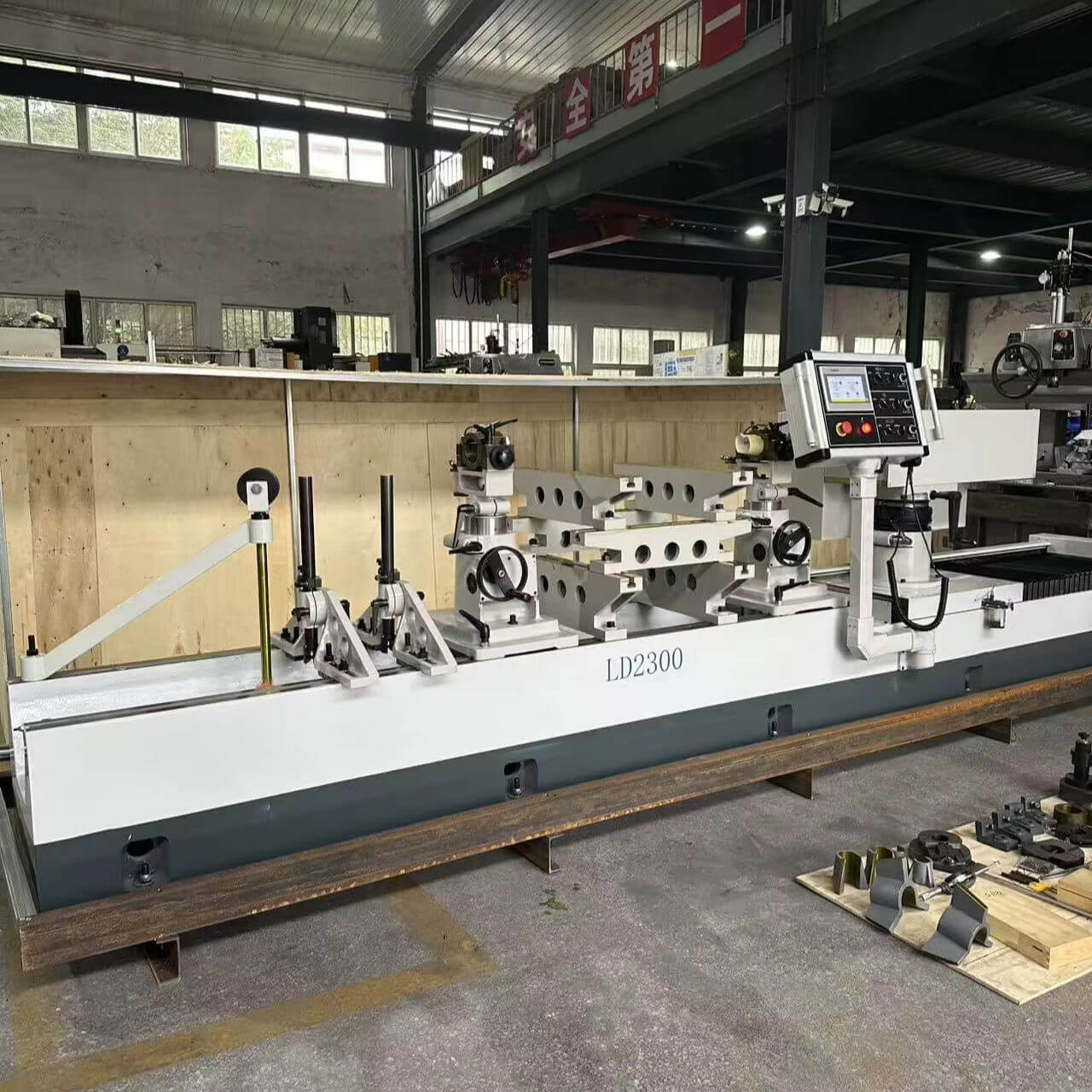
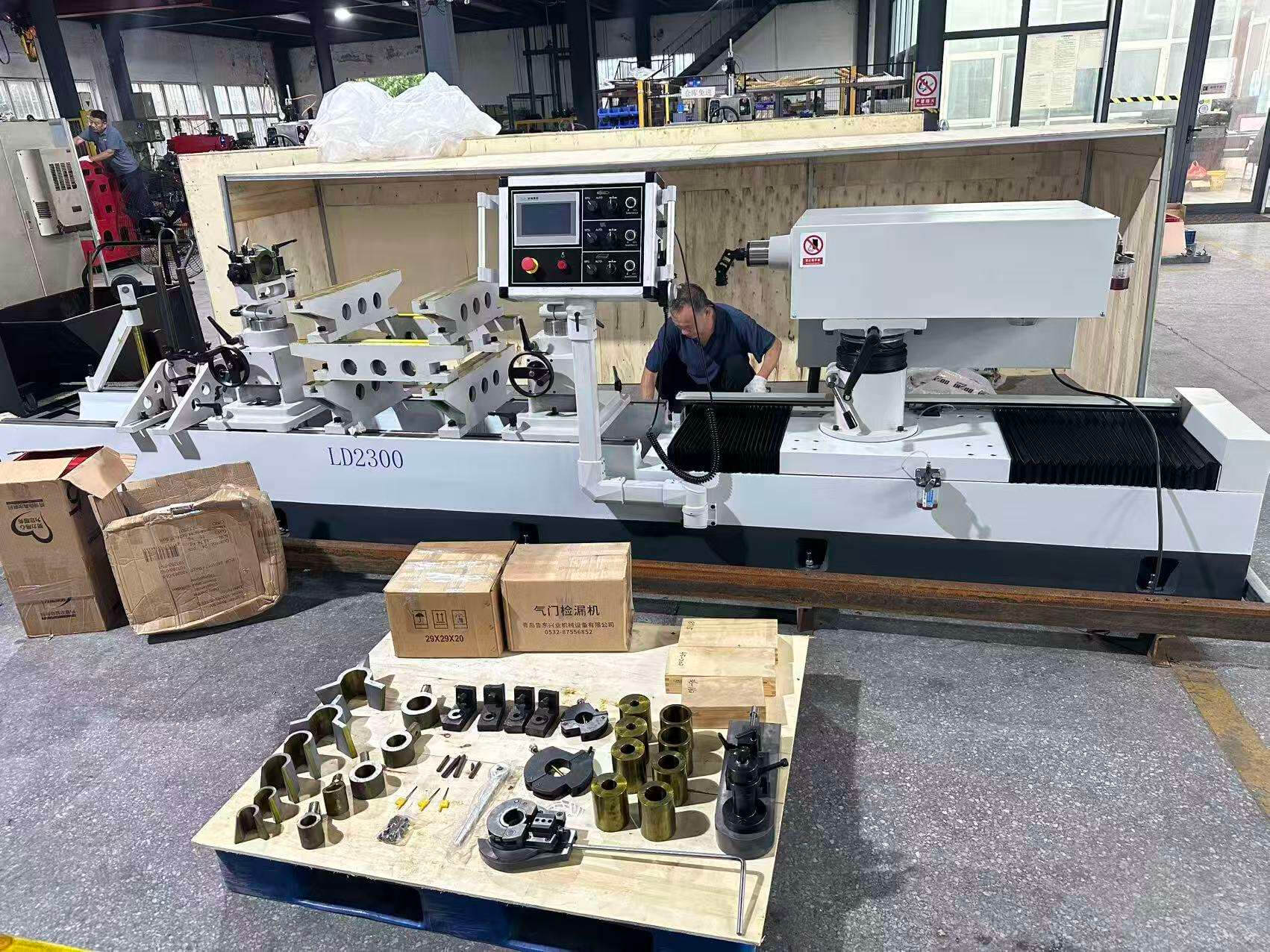
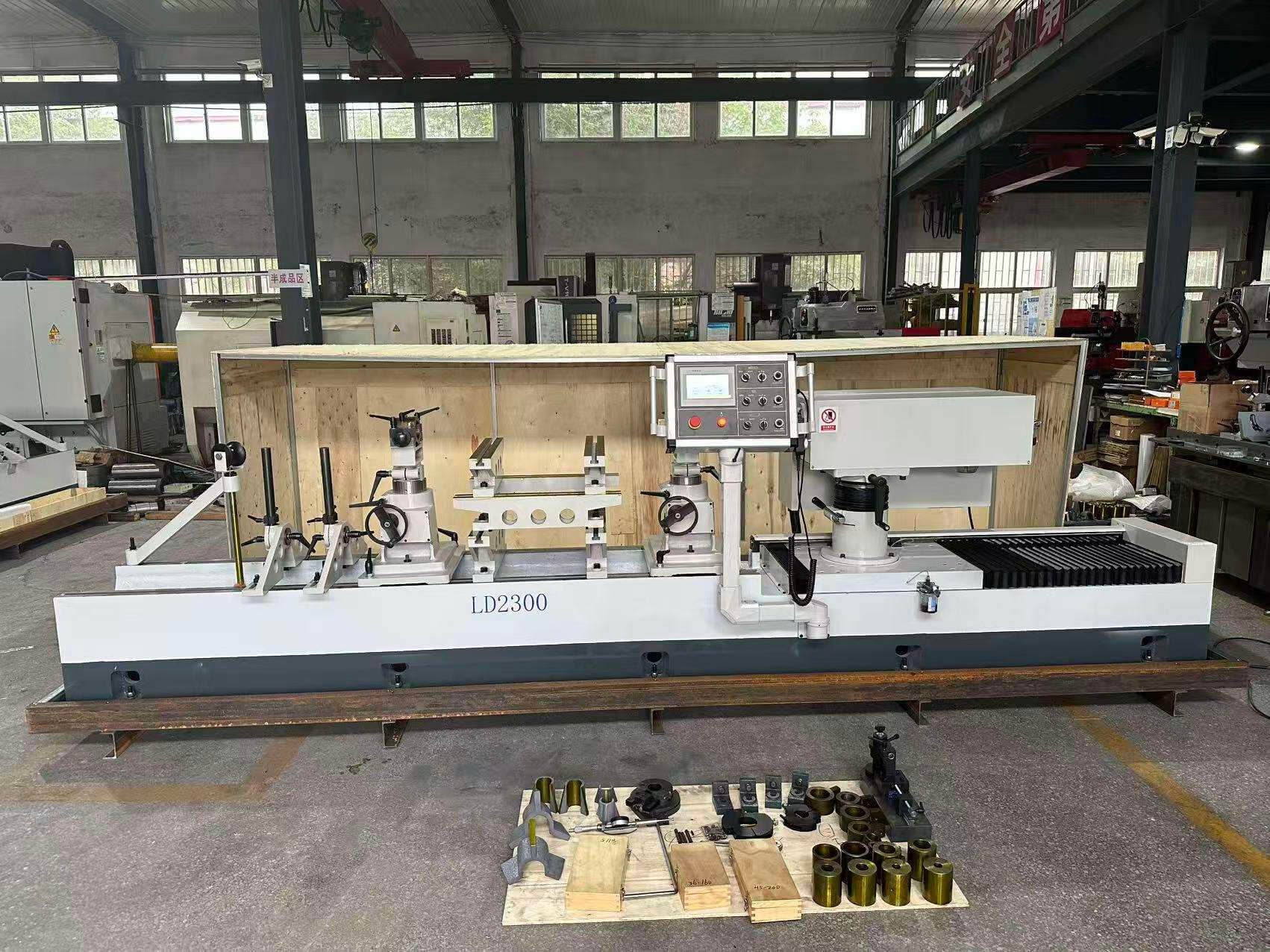
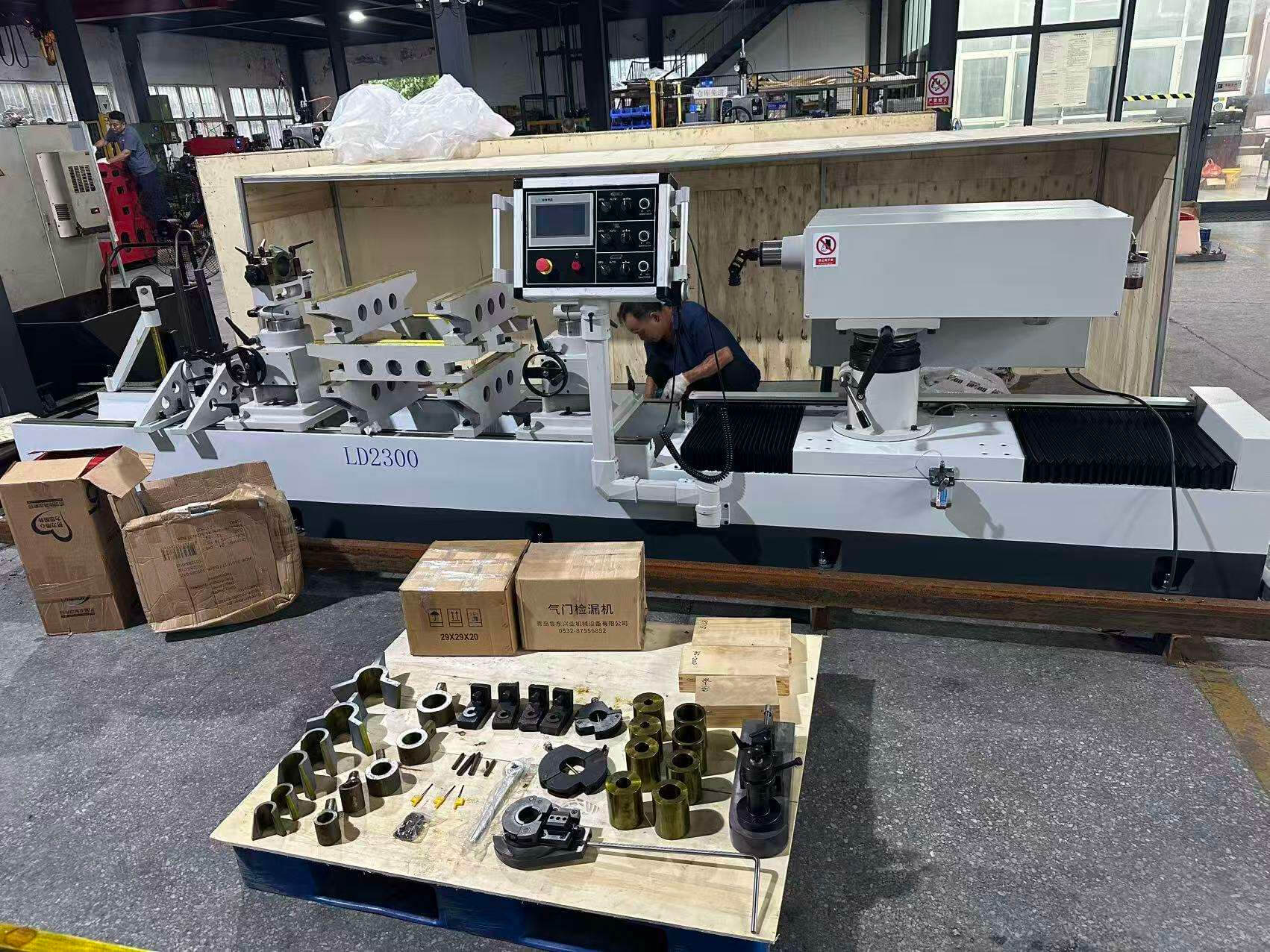
Extra Long Stroke Ultra-Wide Machining Range for Large Engine Blocks
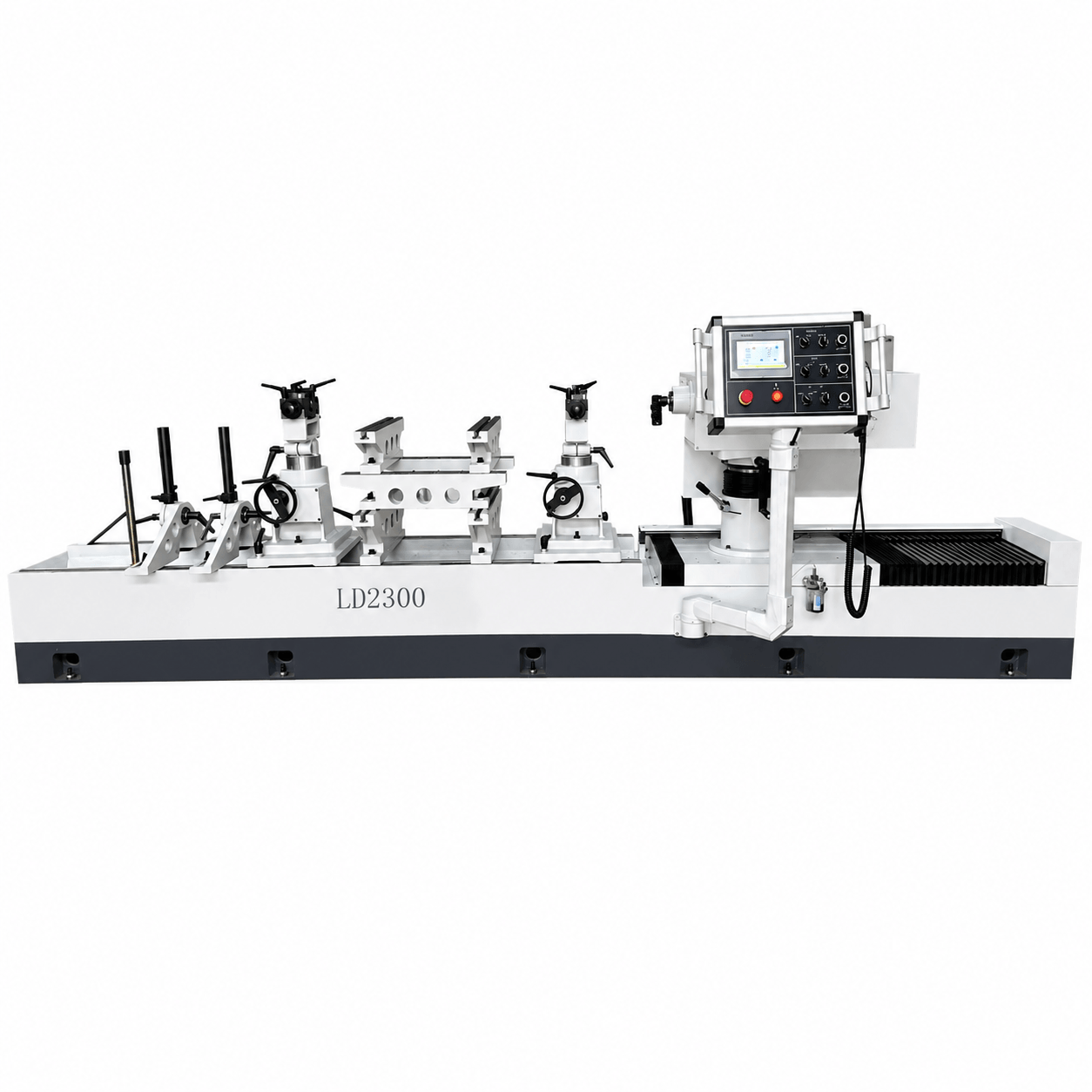
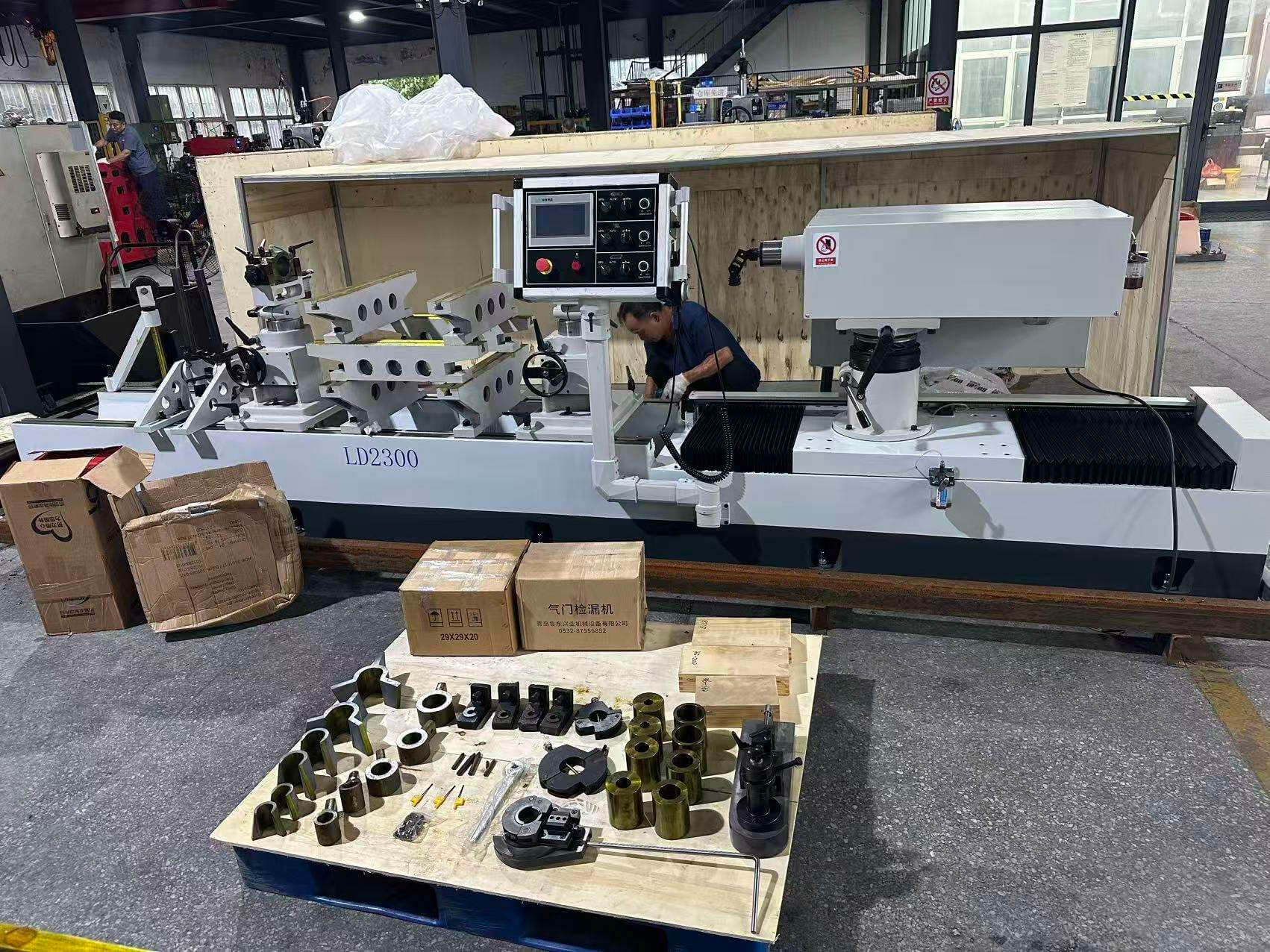
This heavy-duty line boring machine features a maximum 2300 mm cylinder machining stroke and φ22–φ250 mm adjustable boring diameter. It achieves 1-meter uninterrupted one-pass boring to process main bearing bores, camshaft bearing holes and small bottom holes, perfectly matching cylinder blocks of passenger vehicles, tractors, marine engines and generator units.
Micron Grade Ultra-Precision Boring Restores OEM Standard Geometry
It maintains strict 0.005 mm cylindricity and Ra 1.6 mirror surface finish for all bearing hole machining. Stable rigid cutting eliminates positioning deformation and uneven wear of aging bearing seats, restoring factory-standard dimensional tolerances to avoid premature crankshaft and camshaft abrasion after engine reassembly.
Full Servo Constant-Torque Spindle for Smooth Multi-Material Cutting
Three independent servo motors (1.8 kW spindle / 0.75 kW feed / 1.2 kW headstock) deliver 30–600 rpm stepless constant torque rotation. High-precision linear guides and ball screws on all feed axes reduce running vibration, providing consistent stable cutting performance for cast iron and aluminum engine blocks.
Ergonomic Low-Maintenance Rigid Industrial Workhorse
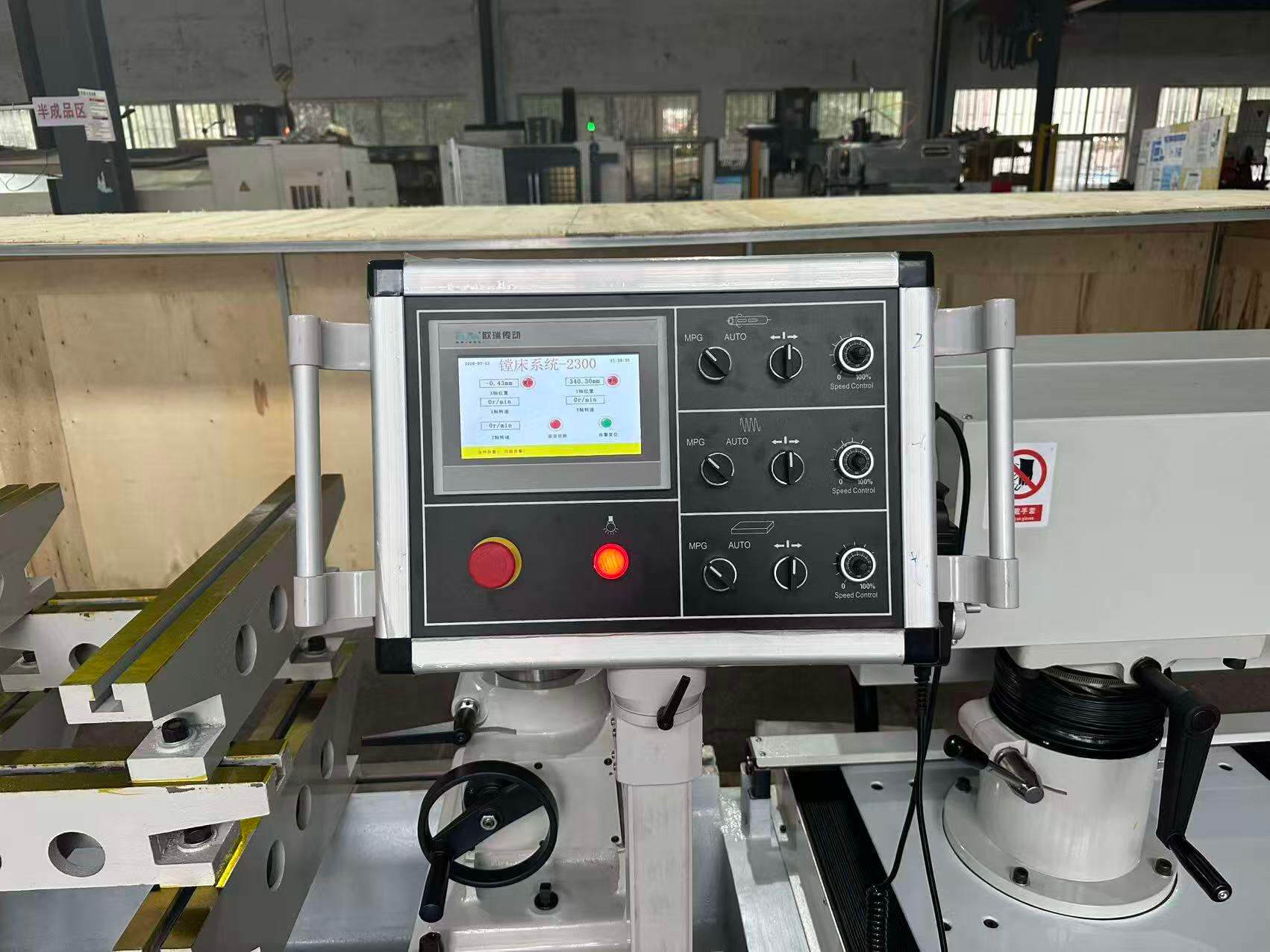
Comes with electronic handwheel for micro feed fine adjustment and height-angle adjustable control panel for comfortable operation. Each boring sleeve is equipped with independent manual lubrication pump for convenient on-site maintenance. The 2300 kg heavy cast iron frame effectively absorbs cutting vibration, ideal for non-stop high-volume large engine remanufacturing tasks.
Technical Specifications
| Parameter | Value |
|---|---|
| Maximum cylinder length | 2300 mm(90.55″) |
| Boring diameter range | φ22 ~ φ250 mm(0.87″ ~ 9.84″) |
| Boring accuracy | Cylindricity 0.005 mm / Roughness Ra 1.6 |
| Maximum extension length of spindle | 300 mm(11.81″) |
| Headstock longitudinal movement | 700 mm(27.56″) |
| Spindle speed | 30–600 rpm stepless speed regulation |
| Spindle feed | 0.75 kW stepless speed regulation servo motor |
| Spindle motor power | 1.8 kW servo motor |
| Headstock moving motor power | 1.2 kW servo motor |
| Height between spindle and T-slot guide rail top | 570 ~ 870 mm(22.44″ ~ 34.25″) |
| Machine outline dimensions (L × W × H) | 4500 × 900 × 1540 mm(177.2″ × 35.4″ × 60.6″) |
| Package size (L × W × H) | 4700 × 1100 × 1750 mm(185.0″ × 43.3″ × 68.9″) |
| Net weight of machine tool | 2300 kg(5060 lbs) |
FAQ
1. What engine components can the LD2300 line boring machine repair?
The LD2300 is designed for precision line boring of engine cylinder blocks, including main bearing bores, camshaft bores, and other aligned bearing housings. It is suitable for gasoline and diesel engines used in passenger cars, heavy-duty trucks, construction equipment, agricultural machinery, marine engines, and industrial power units.
2. Why is line boring important during engine rebuilding?
Over time, engine blocks can develop bore misalignment due to wear, overheating, or improper repairs. Line boring restores the original centerline and bearing alignment, helping ensure proper crankshaft rotation, correct bearing clearance, stable oil pressure, and longer engine service life. Professional engine builders generally restore alignment before final engine assembly.
3. Can the LD2300 machine oversized diesel engine blocks?
Yes. The LD2300 features a rigid horizontal boring structure with a large machining capacity, making it suitable for oversized engine blocks used in heavy-duty trucks, buses, mining equipment, marine engines, agricultural machinery, and industrial diesel engines. Its extended working range allows workshops to handle both standard and large-engine rebuilding projects.
4. How does the LD2300 improve machining accuracy?
The LD2300 is designed with a precision boring spindle and stable workpiece support system to maintain accurate bore alignment throughout the machining process. This helps achieve consistent bore geometry, improves bearing fit, and reduces the need for corrective machining during engine assembly. Proper setup and alignment are essential to line boring accuracy.
5. Why choose a horizontal line boring machine instead of conventional boring equipment?
A horizontal line boring machine is specifically designed to machine multiple bearing bores along a single centerline in one setup. This improves alignment accuracy, reduces repositioning errors, and increases machining efficiency compared with conventional boring methods. It is the preferred solution for professional engine rebuilding and remanufacturing workshops requiring precise crankshaft and camshaft bore restoration.