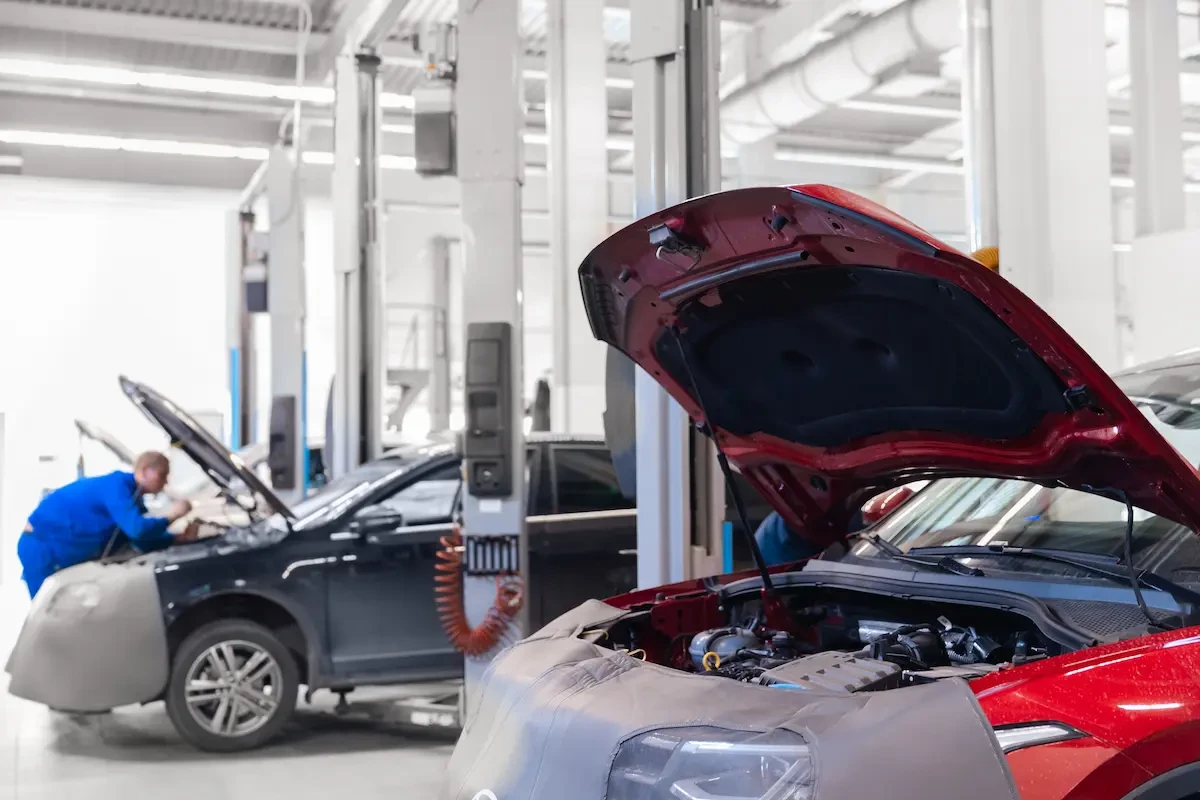
Collision repair is undergoing a quiet technical revolution. Modern vehicle bodies mix aluminum, high-strength steel, and composites—materials that demand new skills and new equipment.
Material-specific joining. Aluminum and advanced steels cannot be repaired with old techniques. Dedicated welding, riveting, and bonding systems—often material-specific—are now essential for structural integrity.
Precision measurement. Electronic measuring systems verify that a repaired body meets factory tolerances, which is critical for both safety and correct ADAS sensor alignment afterward.
Integration with calibration. Because structural repair affects sensor geometry, body shops increasingly pair measuring and repair equipment with ADAS calibration capability under one roof.
The body shop of today is a high-tech environment, and suppliers who deliver integrated, material-ready solutions are best positioned to serve it.