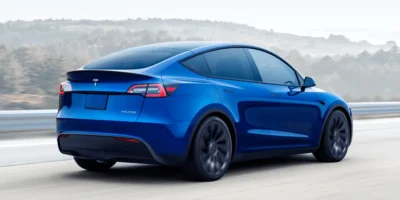
The global automotive repair sector is entering a period of structural change not seen in decades. Two forces are converging at once: the rapid scaling of electric vehicles (EVs) and the shift toward software-defined, sensor-rich vehicles. Together, they are rewriting the rules of the workshop—and, by extension, the global market for repair equipment.
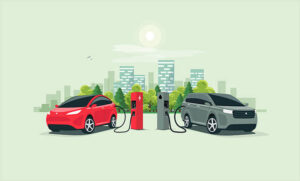
EVs change the repair baseline. High-voltage systems, battery modules, and regenerative braking introduce new safety and diagnostic requirements. Workshops that once relied on mechanical expertise alone now need insulation-rated tooling, battery diagnostic interfaces, and trained handling procedures. For distributors and importers, this means a growing, recurring demand for EV-compatible equipment rather than one-off purchases.
Diagnostics are becoming intelligent. Modern vehicles generate vast amounts of telemetry. Cloud-connected scan tools and AI-assisted fault analysis are replacing manual code-reading, letting technicians pinpoint issues in minutes instead of hours. Shops adopting these platforms report faster turnaround and higher first-time-fix rates—a direct competitive advantage in a labor-tight market.
ADAS calibration is the new standard. Advanced driver-assistance systems—cameras, radar, and lidar—require precise recalibration after windshield replacement, alignment, or collision repair. Dedicated calibration rigs and targets have moved from optional to essential, opening a high-margin equipment category for suppliers who can deliver turnkey setups.
What this means for buyers. Whether you operate a single bay or a multi-branch service network, the purchasing logic is shifting from the cheapest tool that fits to the platform that scales. Forward-looking shops are consolidating around integrated diagnostic ecosystems, EV-ready lifts, and modular calibration solutions.
For equipment suppliers and exporters, the message is clear: the next wave of demand will favor versatile, future-proof, and well-documented products. The repair shop of 2026 is connected, electrified, and data-driven—and the tools that power it must be the same.