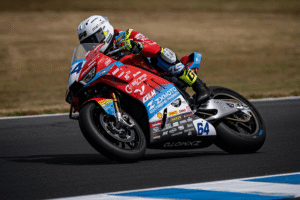

The global motorcycle performance and engine-rebuilding market continues to evolve as riders, tuning workshops and professional engine builders look for reliable ways to improve performance and extend the service life of existing engines.
From high-mileage repairs and vintage motorcycle restoration to big-bore performance upgrades, cylinder machining is an important part of preparing an engine for reliable operation.
Performance modifications such as upgraded exhaust systems, fuel-management systems and improved air intake can change the way an engine produces power. But these components still depend on the mechanical condition and geometry of the engine itself.
That is why professional engine builders pay close attention to cylinder condition before installing new pistons, rings or performance components.
Why Does Cylinder Condition Matter During a Motorcycle Engine Rebuild?
A motorcycle cylinder operates under continuous thermal and mechanical stress.
After years of operation, repeated heat cycles and high engine speeds can contribute to cylinder-bore wear and changes in geometry.
Common conditions include:
- Bore taper
- Out-of-round wear
- Cylinder-wall scoring
- Surface damage
- Excessive clearance
- Deck-surface distortion
Some of these problems may not be obvious during a visual inspection.
Accurate measurement is therefore an important first step before deciding whether a cylinder should be honed, bored or replaced.
What Happens When a Worn Cylinder Is Fitted With New Pistons and Rings?
Installing new components does not automatically restore the original cylinder geometry.
If the bore has excessive taper or is out of round, piston rings may not maintain consistent contact with the cylinder wall.
Depending on the engine and the severity of the condition, this can contribute to:
- Poor ring sealing
- Increased oil consumption
- Excessive blow-by
- Uneven cylinder wear
- Increased friction
- Reduced compression
- Shortened component life
For this reason, professional engine rebuilding considers the condition of the cylinder and the replacement components as one system.
What Is Cylinder Boring and When Is It Required?
Cylinder boring is a machining operation used to correct significant bore wear or dimensional problems by removing a controlled amount of material from the cylinder.
It may be required when a cylinder has:
- Excessive taper
- Out-of-round wear
- Deep scoring
- Significant dimensional wear
- Damage that cannot be corrected through honing alone
After boring, the cylinder is normally finished through a honing process to achieve the required final dimension and surface condition.
The final bore size must correspond to the selected piston and the manufacturer’s or engine builder’s required clearance. Dedicated machines such as the T8014A Cylinder Boring Machine and the T8016A Vertical Cylinder Boring Machine give the builder direct control over bore diameter, roundness and straightness.
Why Is Cylinder Honing Important After Boring?
Boring establishes the basic cylinder dimension.
Honing is generally used to refine the bore geometry and create the appropriate cylinder-wall surface.
One of the most recognizable results is the cross-hatch pattern created by the controlled movement of the honing tool.
This surface texture plays an important role in the piston-ring and lubrication system.
The microscopic surface valleys can retain a controlled amount of lubricating oil while providing an appropriate surface for piston-ring seating.
The goal is therefore not to produce the smoothest possible cylinder wall.
It is to produce the correct geometry and surface condition for the specific engine application. The 3MB9817 Engine Cylinder Honing Machine is designed specifically for this finishing stage.
How Does Cylinder Honing Affect Piston-Ring Seating?
Piston rings need to establish an effective sealing relationship with the cylinder wall.
During engine break-in, the rings gradually conform to the cylinder surface.
If the bore geometry or surface texture is unsuitable, ring seating may be affected.
This can contribute to increased blow-by, oil consumption or abnormal wear.
Correct honing therefore provides an important foundation for the ring-bedding process.
However, ring performance also depends on piston design, ring material, ring tension, lubrication, clearances, assembly procedures and engine operating conditions.
What Is Cylinder Deck Milling?
Cylinder deck milling, also known as cylinder block deck resurfacing, is a separate machining operation.
It is used to restore the condition of the cylinder block’s upper mating surface when the deck is warped, damaged or outside the required specification.
The objective is to establish a suitable sealing surface between the cylinder block and cylinder head.
This is particularly important when an engine has experienced overheating or previous machining.
A correctly prepared deck can help provide the required conditions for head-gasket sealing and cylinder-head installation. Machines such as the KSM850 Engine Cylinder Head & Block Milling Machine are built for exactly this kind of resurfacing work.
Why Is Deck Flatness Important in a Modified Motorcycle Engine?
Performance modifications can change combustion pressure and operating conditions.
If the cylinder-block deck is not within the required flatness specification, the head gasket may not seal correctly.
Potential consequences can include:
- Combustion-gas leakage
- Coolant leakage
- Oil leakage
- Loss of compression
- Localized overheating
Deck resurfacing should therefore be based on measurement rather than simply removing material as a routine step.
The amount of material removed must also be considered carefully because excessive machining can affect engine geometry and compression relationships.
How Does Big-Bore Modification Change the Machining Process?
A big-bore conversion increases the cylinder diameter to accommodate a larger piston.
This can increase displacement and, depending on the overall engine design, may contribute to higher torque or power.
However, the modification also changes several engineering relationships.
Engine builders need to consider:
- Final bore diameter
- Piston size
- Piston-to-wall clearance
- Cylinder-wall thickness
- Ring dimensions
- Compression ratio
- Cooling capacity
- Crankshaft and connecting-rod loads
- Final bore surface condition
Big-bore machining should therefore be treated as an engineered modification rather than simply enlarging the existing cylinder.
What Are the Risks of Excessive Cylinder Boring?
Removing too much material can reduce the remaining cylinder-wall thickness.
Thin cylinder walls may be more susceptible to distortion, thermal problems or cracking depending on the engine design and operating conditions.
This is why experienced engine builders check the available material before deciding how far a cylinder can safely be bored.
In some applications, a replacement sleeve or other cylinder-repair method may be more appropriate than additional boring.
The correct decision depends on the original cylinder design, material, measured condition and intended engine application.
Does Precision Machining Matter for Vintage Motorcycles?
Yes.
Vintage motorcycle engines often present a different set of machining challenges.
Decades of operation, previous repairs and multiple rebuilds can leave cylinder bores outside their original dimensions.
Replacement pistons may also require specific oversize dimensions.
For restoration work, the objective is often to recover the original mechanical relationship as closely as practical rather than simply maximizing displacement.
This makes careful measurement and controlled machining particularly important.
What About Off-Road and Performance Motorcycles?
Off-road motorcycles, sport bikes and performance-oriented machines can place significant demands on the piston-cylinder system.
Frequent high-RPM operation, rapid acceleration and repeated thermal cycles can increase the importance of correct cylinder geometry and surface condition.
Professional workshops working on these engines commonly pay close attention to bore diameter, piston clearance, cylinder-wall condition and final honing.
The correct specifications depend on the individual engine and the intended application.
Why Should Engine Builders Measure Before Machining?
One of the most important principles in professional engine rebuilding is simple:
Do not machine a component until you know what condition it is in.
Measurement helps determine:
- Whether the bore is within specification
- How much taper is present
- Whether the bore is out of round
- Whether boring is necessary
- What piston size is appropriate
- What final honing process is required
- Whether the cylinder can safely be modified further
This approach prevents unnecessary material removal and helps the engine builder select the correct machining process.
What Is the Ideal Machining Workflow for a Motorcycle Cylinder Rebuild?
A typical professional workflow may include:
Inspection → Measurement → Boring if required → Honing → Final measurement → Cleaning → Assembly
Deck resurfacing may be performed when the cylinder block’s mating surface requires correction.
The exact process depends on the engine design, measured condition and manufacturer’s specifications.
The important principle is that each machining operation should have a specific purpose.
Can Performance Tuning Compensate for Poor Cylinder Machining?
No.
Engine tuning can optimize fuel, ignition and airflow characteristics, but it cannot correct a mechanically worn or incorrectly machined cylinder.
Performance modifications work within the mechanical limits established by the engine’s basic components.
A well-designed exhaust system or fuel-management setup cannot compensate for excessive bore taper, poor ring sealing or an unsuitable cylinder-wall surface.
This is why professional performance builders treat machining and tuning as complementary parts of engine development.
Why Does Precision Machining Remain Important as Motorcycle Engines Evolve?
Modern motorcycles continue to become more compact, efficient and performance-oriented.
At the same time, the aftermarket engine-rebuilding industry continues to support older motorcycles whose original components may no longer be readily available.
Both situations create demand for accurate measurement and machining.
Whether the goal is restoring an original engine, rebuilding a high-mileage motorcycle or developing a big-bore performance engine, the same fundamental principle remains:
The final performance of a modified engine depends on the mechanical condition and geometry of its core components.
What Is the Key Lesson for Motorcycle Engine Builders?
Performance modification is not only about adding more airflow, fuel or exhaust capacity.
It starts with the mechanical foundation of the engine.
A correctly measured cylinder, properly selected piston, appropriate bore clearance, suitable honing pattern and correctly prepared deck surface provide the foundation for reliable assembly.
From vintage restoration to modern performance tuning, precision machining turns engine modification from a parts upgrade into a controlled engineering process.
The horsepower may be the part riders notice.
But the reliability behind that horsepower begins with the dimensions and surfaces that they never see.
Build Your Engine’s Foundation With RICHON Auto
From cylinder boring and honing to deck resurfacing and pressure testing, RICHON Auto supplies the precision machining equipment trusted by motorcycle engine builders worldwide.
Frequently Asked Questions
When should a motorcycle cylinder be bored rather than just honed?
Boring is required when measurement shows excessive taper, out-of-round wear, deep scoring or dimensional wear beyond what honing alone can correct. If the bore is still within specification, deglazing and honing may be sufficient. The decision should always be based on measured condition and the available oversize pistons, not on visual appearance.
Why is honing necessary after boring a cylinder?
Boring establishes the bore dimension but leaves a surface that is not yet suitable for piston-ring operation. Honing refines the geometry and creates the controlled cross-hatch texture that retains oil and allows rings to seat properly. Together they form one finishing sequence, which is why machines like the T8014A Cylinder Boring Machine and the 3MB9817 Cylinder Honing Machine are typically used in combination.
What is cylinder deck milling and when is it needed?
Deck milling resurfaces the top mating surface of the cylinder block. It is needed when the deck is warped or outside the flatness specification — often after overheating or previous machining. A flat deck is essential for head-gasket sealing, especially in modified engines running higher combustion pressures.
Is big-bore conversion just a matter of boring a larger hole?
No. A big-bore conversion changes piston-to-wall clearance, cylinder-wall thickness, compression ratio, ring dimensions and the loads on the crankshaft and connecting rods. The cylinder must be measured first to confirm enough wall material exists, and the final bore must match the selected piston and required clearance. It is an engineered modification, not simply an enlarged hole.
Can’t I just install a big-bore kit and tune the fuel system?
Installing performance components without verifying cylinder geometry rarely produces reliable results. Tuning optimizes fuel, ignition and airflow, but it cannot compensate for bore taper, poor ring sealing or an unsuitable surface finish. Professional builders machine the foundation first, then tune within the mechanical limits it provides.
What machines does a motorcycle engine rebuilding shop need?
A professional shop needs a cylinder boring machine, a honing machine, deck resurfacing capability, and pressure testing equipment to verify sealing after machining. RICHON Auto covers this full workflow — including the T8016A Vertical Cylinder Boring Machine, KSM850 Cylinder Head & Block Milling Machine and the LD1750 Cylinder Head & Block Pressure Tester — for workshops serving road, off-road, vintage and performance customers.