Choosing the right cylinder head milling machine is an important decision for engine rebuilding workshops, automotive machine shops, and engine repair businesses. The machine must match the dimensions of the components being processed, the required surface finish, the expected workload, and the workshop’s operating conditions.
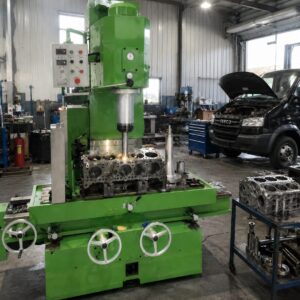
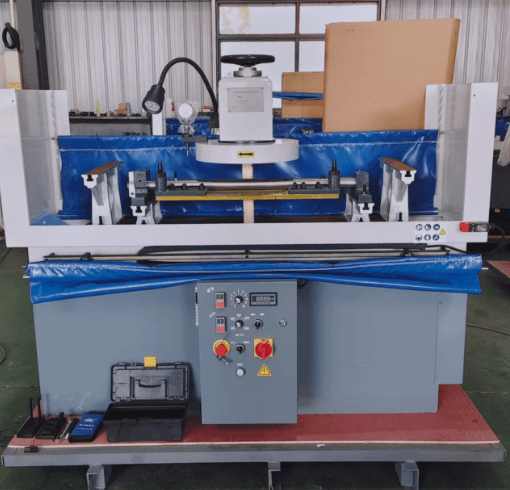
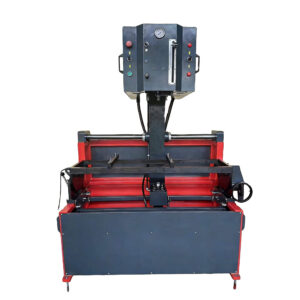
The RICHON KSM850 Cylinder Head & Block Milling Machine is designed for resurfacing compatible engine cylinder heads and engine blocks. This guide explains what the KSM850 is used for, which specifications buyers should check, and how to determine whether it is suitable for your workshop.
1. What Is the KSM850 Cylinder Head Milling Machine Used For?
The KSM850 is a cylinder head and engine block resurfacing machine used in engine rebuilding and reconditioning applications.
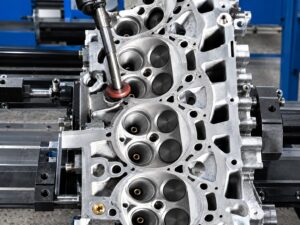
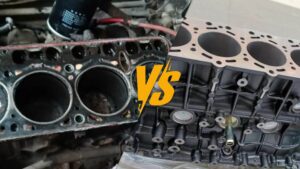
During engine operation, cylinder head and block mating surfaces may become distorted, damaged, or uneven. When inspection confirms that resurfacing is appropriate, machining can help restore the required surface condition and flatness within the engine manufacturer’s service limits.
Typical applications include:
- Cylinder head resurfacing: Machining suitable cylinder head mating surfaces during engine repair and overhaul.
- Engine block resurfacing: Reconditioning compatible engine block deck surfaces when the block is suitable for machining.
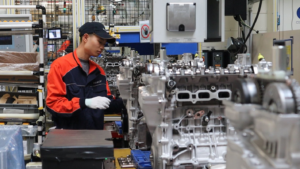
- Automotive engine rebuilding: Supporting engine repair businesses that process cylinder heads and blocks as part of their service operations.
- Diesel engine maintenance: Processing compatible diesel engine components, subject to the machine’s working capacity and tooling requirements.
- Professional machine shop operations: Adding surface milling capabilities to workshops that already provide engine component inspection, boring, honing, or valve service.
Before machining, technicians should check component condition, minimum allowable height, required surface finish, and the engine manufacturer’s repair specifications. Resurfacing is not appropriate for every damaged or distorted component.
2. Why Choose a KSM850 for an Engine Rebuilding Workshop?
When comparing a cylinder head resurfacing machine, buyers should evaluate the machine’s working capacity, feed system, cutting head, tooling, and ease of operation.
850 mm Workpiece Length Capacity
The KSM850 is designed for workpieces within its specified working range, including compatible automotive cylinder heads and engine blocks.
The 850 mm figure refers to the maximum workpiece length, not the maximum cutting width or guaranteed capacity for every engine block. Buyers should verify the complete workpiece dimensions before ordering.
Precision Ball Screw Feed
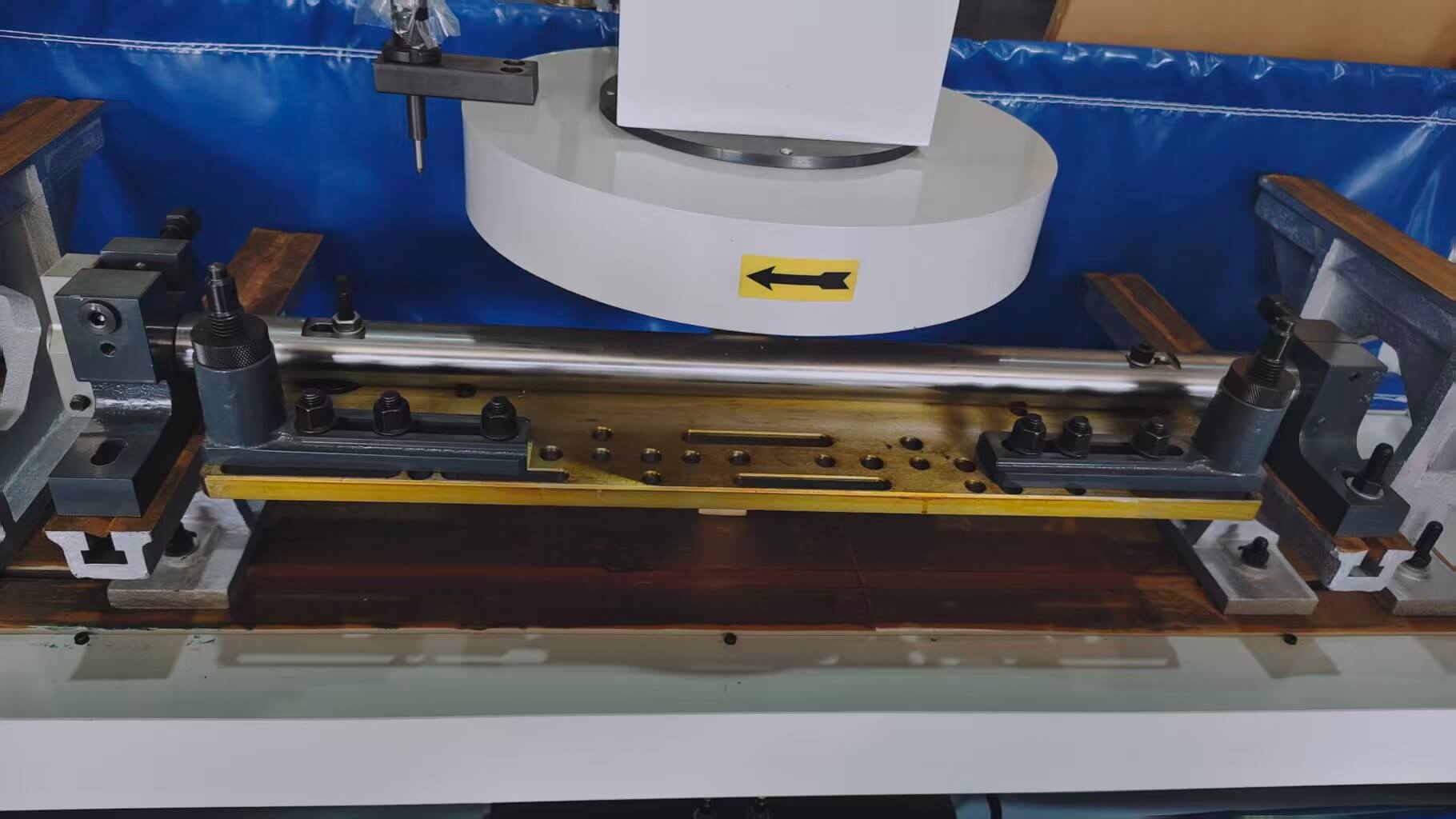
A precision ball screw feed system supports controlled worktable movement during machining. Together with proper workpiece clamping and machine setup, it helps maintain consistent feed movement.
Rigid Machine Structure
A rigid machine base helps resist vibration during cutting. Actual machining results also depend on installation, tooling condition, cutting parameters, workpiece support, and operator technique.
Adjustable Cutting Speed and Table Feed
Adjustable head speed and table feed allow the operator to select appropriate machining conditions for different materials and surface requirements, subject to the machine’s specifications.
Workshop-Oriented Operation
For workshops handling different engine repair jobs, a machine that accommodates the required component sizes and provides suitable tooling can support a more organized resurfacing workflow.
3. KSM850 Technical Specifications to Check Before Purchasing
The following specifications are commonly published for the KSM850 configuration. Confirm the final values against the exact RICHON machine configuration and quotation before placing an order.
| Specification | Published KSM850 reference |
| Maximum workpiece length | 850 mm |
| Table travel | 1,115 mm |
| Maximum workpiece width | 330 mm |
| Workpiece height range | 160–440 mm |
| Milling wheel diameter | 330 mm |
| Cutting head speed | 300–1,200 rpm |
| Table feed speed | 0–600 mm/min |
| Cutting head motor | 1.5 kW |
| Table feed motor | 0.75 kW |
These figures are reference specifications and should not replace the final manufacturer’s datasheet. Confirm the actual electrical configuration, machine dimensions, net and gross weight, included tooling, and packaging dimensions with RICHON.
For international buyers, it is especially important to verify voltage, frequency, and single-phase or three-phase power requirements before shipment.
4. How to Choose the Right Cylinder Head Resurfacing Machine
A suitable machine should match the work your workshop actually performs. Before purchasing the KSM850, consider the following factors.
Step 1: Measure Your Typical Workpieces
Measure the length, width, and height of the cylinder heads and engine blocks you service most frequently.
Compare these measurements with the machine’s full working envelope, including clamping arrangements and clearance requirements. Maximum length alone does not determine whether a component can be machined.
Step 2: Identify the Engine Types You Service
List the main engine categories handled by your business, such as passenger cars, light commercial vehicles, or compatible diesel engines.
For larger heavy-duty engine components, check dimensions and weight carefully. If your normal workload exceeds the KSM850’s capacity, a larger machine may be more appropriate.
Step 3: Confirm the Required Surface Finish
Different engine designs and gasket types may require different surface finish characteristics.
Discuss the required flatness, surface roughness, material, and cutting method with your supplier. Confirm that the machine and proposed tooling can meet the specifications for your intended applications.
Step 4: Check Tooling and Accessories
Ask whether the quotation includes the required cutting tools, tool holders, workpiece clamps, and other accessories.
Also confirm the availability and replacement cost of cutting inserts and other consumables.
Step 5: Verify Workshop Utilities
Confirm the electrical supply, installation space, machine foundation, lifting arrangements, and any additional utility requirements.
For overseas buyers, the machine’s power configuration and shipping dimensions should be confirmed before the order is finalized.
Step 6: Compare the Complete Purchasing Cost
Do not compare machines on purchase price alone.
Consider the machine, tooling, export packaging, freight, insurance where applicable, import duties, local delivery, installation, operator training, and ongoing maintenance.
A clear quotation helps you compare suppliers on a consistent basis.
5. KSM850 vs. a Larger Cylinder Head Milling Machine
Should you choose the KSM850 or a larger resurfacing machine?
The decision should be based on workpiece size, engine type, production volume, and future workshop requirements.
The KSM850 may be suitable when your regular workpieces fit its specified capacity and your business needs a dedicated cylinder head and block resurfacing machine.
A larger machine may be necessary when you frequently process longer or wider components, taller engine blocks, or workpieces that exceed the KSM850’s limits.
For example, the RICHON KSM1100 is an alternative to evaluate when a larger working range is required. Compare the two models using their confirmed maximum workpiece dimensions, height range, cutting head specifications, and overall machine footprint.
Do not assume that a larger model is automatically more productive for every workshop. The best choice is the machine that matches your normal workload without compromising the required machining process.
6. Who Should Buy the KSM850?
The KSM850 is worth evaluating for businesses such as:
- Engine rebuilding workshops processing compatible cylinder heads and blocks.
- Automotive machine shops adding or upgrading resurfacing services.
- Engine repair businesses that want to perform suitable machining in-house.
- Automotive equipment distributors supplying machinery to local workshops.
- Workshop operators establishing a professional engine reconditioning service.
Before making a purchase, estimate your expected monthly workload, the component sizes you will process, and the machining services your customers require.
If your workshop specializes in large industrial or heavy-duty engines, confirm the working capacity carefully rather than relying on the model name.
7. Questions to Ask Your Supplier Before Ordering
Before purchasing a KSM850 cylinder head milling machine, ask your supplier:
- What are the confirmed maximum workpiece length, width, height, and weight?
- Which voltage, frequency, and phase configurations are available?
- Which cutting tools and accessories are included?
- Can the machine process my specific cylinder head or engine block?
- What surface finish can be achieved with the proposed tooling and machining conditions?
- What export packaging and shipping dimensions should I plan for?
- What technical documentation, spare parts, and after-sales support are available?
- Can you provide a machine demonstration or test-machining video?
Providing your engine component dimensions and application details helps the supplier determine whether the KSM850 is an appropriate choice.
8. Frequently Asked Questions About the KSM850
What is the KSM850 cylinder head milling machine used for?
The KSM850 is designed for resurfacing compatible engine cylinder heads and engine blocks during engine rebuilding and reconditioning.
What is the maximum workpiece length of the KSM850?
The published maximum workpiece length is 850 mm. Confirm the full working envelope, including maximum width and height, before purchasing.
Can the KSM850 machine diesel engine cylinder heads?
It may be suitable for compatible diesel engine cylinder heads if their dimensions, material, weight, and machining requirements fall within the machine’s specifications. Confirm the specific engine application before ordering.
Is the KSM850 suitable for a small engine rebuilding workshop?
It can be worth considering for a workshop that regularly processes compatible cylinder heads and engine blocks. Suitability depends on available space, expected workload, component dimensions, budget, and tooling requirements.
What should I check before buying a KSM850?
Check workpiece dimensions, required surface finish, cutting head specifications, tooling, electrical supply, installation requirements, packaging, and technical support.
How do I request a quotation for the KSM850?
Provide your destination country, required electrical configuration, main engine applications, and any accessory requirements. Ask the supplier for a detailed quotation covering machine configuration, included tooling, packaging, and shipping terms.
9. Request a KSM850 Quotation from RICHON
The right cylinder head resurfacing machine should match your workshop’s actual machining requirements.
RICHON supplies engine rebuilding and automotive service equipment for professional workshops, repair businesses, and equipment distributors.
If you are considering the KSM850, share your typical cylinder head dimensions, engine applications, destination country, and electrical requirements with our team.
We can help you review the machine configuration and identify the information you need before making a purchasing decision.
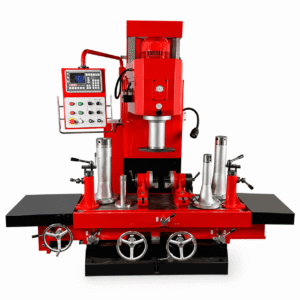
Explore the KSM850 Cylinder Head & Block Milling Machine
Contact RICHON for specifications, tooling options, and a quotation.