
Background
An engine reconditioning shop in Bangkok served a mix of taxis, commercial vans, and private cars. As the fleet aged, demand for head gasket and valve jobs rose, but the shop’s equipment could not keep up.
The Challenge
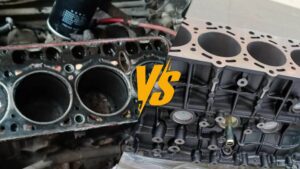
Cylinder heads were being resurfaced with outdated methods that produced uneven deck surfaces. The consequences were predictable:
- Head gasket failures. Poor surface finish caused repeat leaks, leading to warranty work.
- Long turnaround. Each head took close to half a day to prepare, limiting throughput.
- Material limits. The old setup handled cast iron poorly and aluminum even worse, forcing the shop to turn some jobs away.
The Solution
The shop brought in the KSM850 cylinder head milling machine. Its precise ball-screw drive and adjustable spindle speed let operators mill both cast iron and aluminum heads with control. The machine’s rigid table and fine feed control produced the flat, clean surface finish modern head gaskets require.
The Results
- Deck flatness: consistently held within ±0.02 mm across the head surface.
- Resurfacing time: from about 2.5 hours to roughly 1.2 hours per head.
- Monthly output: head-related rebuilds increased by around 30% without extra labor.
- Warranty returns: head gasket re-do work dropped sharply.
Key Takeaway
A dedicated head milling machine is one of the highest-impact upgrades an engine rebuilder can make. In this Thai shop, the KSM850 paid for itself through faster turnaround and fewer repeat jobs.