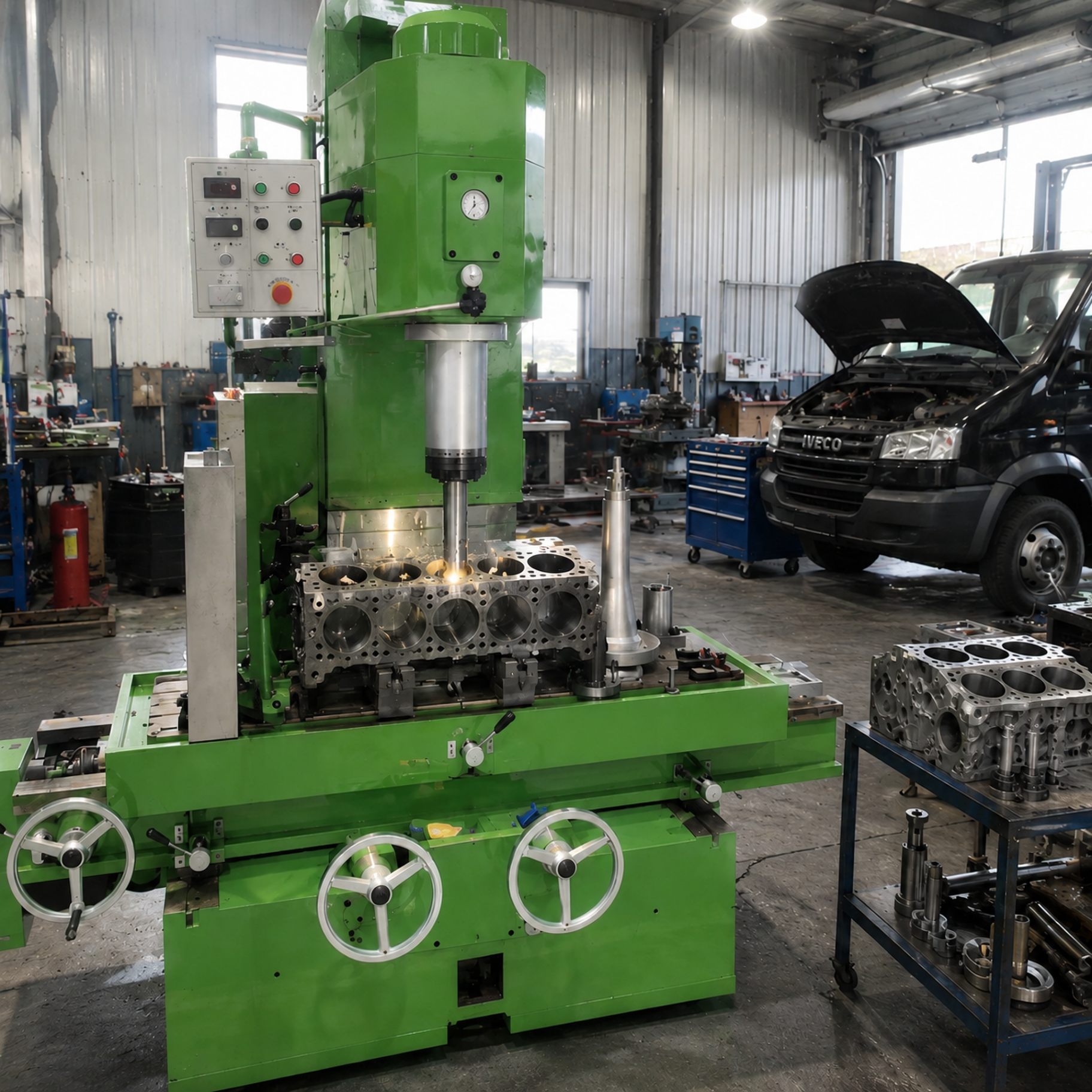
Choosing the right cylinder boring and milling machine is important for engine rebuilding workshops, engine remanufacturing plants, and professional engine machine shops. The machine must match your engine block dimensions, machining requirements, production needs, and available workshop space.
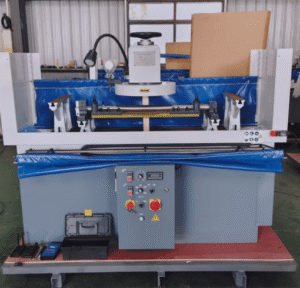
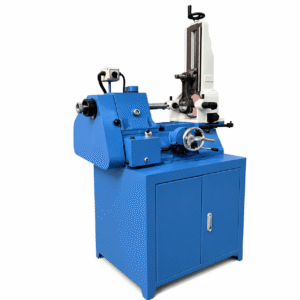
The RICHON T7220D Cylinder Boring & Milling Machine combines cylinder boring and surface milling functions for engine block machining. With a maximum boring diameter of 200 mm and a maximum boring depth of 500 mm, it is designed for workshops handling a range of engine block repair and remanufacturing tasks.
This guide explains the T7220D’s machining capacity, key specifications, applications, and the questions to consider before purchasing.
1. What Is the T7220D Cylinder Boring & Milling Machine Used For?
The T7220D is a vertical cylinder boring and milling machine designed for engine block machining and related precision repair work.
Its main applications include:
- Cylinder boring: Enlarging or re-machining engine block cylinder bores to meet specified dimensions.
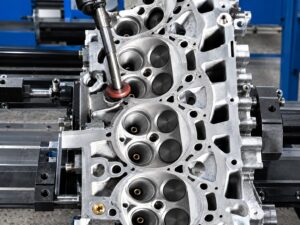
- Engine block surface milling: Machining the deck surface to help restore the required flatness and surface finish.
- Cylinder liner-related machining: Supporting suitable cylinder liner and seat machining operations when the workpiece and tooling are compatible.
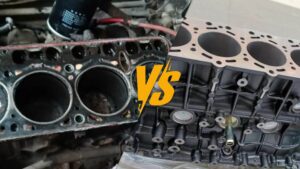
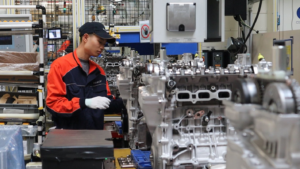
- Engine remanufacturing: Providing boring and milling capabilities for engine rebuilding and remanufacturing workshops.
The machine may be suitable for diesel engine workshops, automotive engine repair businesses, heavy-duty engine service facilities, and industrial engine machine shops. Final suitability depends on the engine block dimensions, material, fixture arrangement, and required machining process.
2. Why Choose a Cylinder Boring and Milling Machine with Both Functions?
When selecting engine block machining equipment, buyers should consider whether their work requires cylinder boring, surface milling, or both operations.
The T7220D combines these two functions in one machine, allowing workshops to handle compatible cylinder boring and milling tasks without necessarily purchasing separate machines for each operation.
Key considerations include:
- Combined machining capability: Supports cylinder boring and surface milling on compatible workpieces.
- Boring capacity: A maximum boring diameter of 200 mm accommodates work within the machine’s specified range.
- Boring depth: The maximum boring depth is 500 mm, subject to the workpiece and setup requirements.
- Worktable dimensions: The 500 × 1500 mm worktable provides a working platform for suitable engine blocks and components.
- Machining accuracy: Published specifications include H7 boring dimensional accuracy and a roundness specification of 0.005 mm.
Whether boring and milling can be completed in one setup depends on the workpiece geometry, fixturing, alignment, and machining sequence. Confirm your specific application with RICHON before ordering.
3. T7220D Technical Specifications
Review the main specifications below to determine whether the T7220D matches your machining requirements.
| Specification | T7220D |
| Maximum boring diameter | 200 mm |
| Maximum boring depth | 500 mm |
| Maximum milling area | 400 × 1000 mm |
| Maximum drilling/reaming diameter | 30 mm |
| Spindle speed | 120–860 rpm |
| Spindle feed | 14–900 mm/min |
| Rapid spindle movement | 900 mm/min |
| Spindle travel | 700 mm |
| Distance from spindle end face to table | 0–700 mm |
| Distance from spindle axis to carriage vertical plane | 365 mm |
| Longitudinal table feed | 32–1350 mm/min |
| Rapid longitudinal table travel | 1350 mm/min |
| Maximum longitudinal table travel | 1500 mm |
| Maximum cross travel | 200 mm |
| Worktable size | 500 × 1500 mm |
| Boring dimensional accuracy | H7 |
| Boring roundness | 0.005 mm |
| Boring cylindricity | 0.01/300 mm |
| Milling flatness | 0.10 mm |
| Boring surface roughness | Ra 2.5 µm |
| Milling surface roughness | Ra 3.2 µm |
| Main motor power | 5.5 kW |
| Overall dimensions | Approx. 260 × 163 × 230 cm |
| Net weight | Approx. 3500 kg |
| Gross weight | Approx. 3800 kg |
Specifications are provided for reference. Please confirm the final configuration, technical details, and applicable tolerances with RICHON before placing an order.
How Should You Interpret the Main Specifications?
Maximum boring diameter: 200 mm
This is the maximum specified cylinder boring diameter, not the maximum engine block size. Confirm the actual bore dimensions and machining requirements of your workpieces before purchasing.
Maximum boring depth: 500 mm
This indicates the specified maximum boring depth. The achievable working range also depends on the workpiece geometry, tooling, and setup.
Maximum milling area: 400 × 1000 mm
This defines the specified milling area. Check the dimensions of the engine block surface you intend to machine and confirm whether the required working area fits within the machine’s capacity.
Boring accuracy: H7
H7 is a dimensional tolerance designation. Actual machining results depend on the machine condition, tooling, workpiece material, setup, and operating process. Discuss your required bore tolerance and surface finish with RICHON when evaluating suitability.
4. How to Choose the Right Cylinder Boring Machine for Your Workshop
Before purchasing an engine block boring machine, evaluate the following factors.
1. Engine Types and Workpiece Dimensions
Identify the engine blocks you process most frequently, including their bore diameters, boring depths, overall dimensions, and weight. If you service diesel engines, commercial vehicle engines, or heavy-duty engine blocks, provide representative workpiece specifications to help determine whether the T7220D is suitable.
2. Required Machining Operations
Consider whether your workshop needs cylinder boring only or also requires surface milling. A combined boring and milling machine may be practical when both operations are part of your regular workflow. If your main requirement is dedicated cylinder head or engine block surface resurfacing, a specialized milling machine may be more appropriate.
3. Accuracy and Surface Finish
Do not evaluate a machine by its maximum diameter alone. Compare its specified accuracy and surface finish with the requirements of your engine repair or remanufacturing work. Ask about the relevant machining tolerances, suitable tooling, workpiece setup, and inspection methods for your application.
4. Tooling and Accessories
The required tooling depends on the bore diameter, machining process, and workpiece design. Before ordering, confirm which tools and accessories are included in the quotation and which items need to be purchased separately.
5. Workshop Space and Installation
The T7220D has an overall size of approximately 260 × 163 × 230 cm and a net weight of approximately 3500 kg. Allow sufficient space for installation, workpiece loading, operator access, and maintenance. Also confirm the floor’s load-bearing capacity and the lifting equipment required for unloading and installation.
6. Power Supply and Delivery Requirements
Confirm the voltage, frequency, and phase required for your destination country before placing an order. Discuss export packaging, shipping arrangements, delivery terms, and unloading requirements with RICHON.
5. Who Should Consider the T7220D?
The T7220D may be worth evaluating for the following businesses:
- Engine rebuilding workshops handling cylinder boring and engine block surface machining.
- Engine remanufacturing plants that need equipment for engine block repair and reconditioning.
- Diesel engine repair businesses servicing compatible industrial, commercial vehicle, or heavy-duty engine blocks.
- Professional engine machine shops providing precision boring and milling services.
- Automotive equipment distributors sourcing cylinder boring and milling equipment for their local markets.
The best fit depends on the types of engines serviced, expected workload, workpiece dimensions, tooling requirements, and local operating conditions.
6. What Is the Difference Between the T7220D and a Dedicated Resurfacing Machine?
A cylinder boring and milling machine and a dedicated resurfacing machine serve related but different purposes.
The T7220D is designed for cylinder boring and milling operations. A dedicated resurfacing machine, such as the RICHON KSM850, is primarily intended for machining engine block and cylinder head mating surfaces.
| Comparison | T7220D | KSM850 |
| Main function | Cylinder boring and surface milling | Engine block and cylinder head surface milling |
| Primary application | Cylinder bore machining and compatible milling tasks | Mating-surface resurfacing |
| Key selection factor | Required bore diameter, depth, and milling capacity | Required surface dimensions and resurfacing needs |
| Best evaluation approach | Compare bore specifications, table capacity, accuracy, and tooling | Compare milling capacity, workpiece dimensions, and surface finish requirements |
If your workshop regularly performs both cylinder boring and engine surface resurfacing, these machines may complement each other. Confirm your actual process requirements before deciding whether one machine or multiple machines are necessary.
7. Questions to Ask Us Before Ordering the T7220D
Before purchasing the T7220D Cylinder Boring & Milling Machine, contact RICHON to confirm that the machine configuration matches your workpieces, machining requirements, and destination.
Is the T7220D suitable for my engine blocks?
Share your engine types, cylinder bore diameters, boring depths, workpiece dimensions, and machining requirements. Our team can review the available specifications and help assess suitability.
What tooling and accessories do I need?
Tell us which engine blocks and machining operations you handle. We can discuss the required tooling and accessories and clarify which items are included in the quoted configuration.
Can the machine meet my required machining accuracy?
Provide your target bore dimensions, tolerance requirements, and surface finish specifications. We can review the published machine specifications with you and identify the details that need to be confirmed for your application.
What power supply is available for my country?
Tell us your destination country and required power supply. Confirm the voltage, frequency, and phase with our team before ordering.
What is the price and delivery time?
Request a quotation based on your required configuration, tooling, order quantity, and destination. Delivery time and shipping costs should be confirmed in the quotation.
How will the machine be packaged and shipped?
Ask us about export packaging, available shipping arrangements, estimated freight costs, and applicable delivery terms. You should also confirm who will handle unloading and installation at the destination.
What information should I provide to get an accurate quotation?
To help RICHON evaluate your requirements, please provide:
- Destination country and delivery location
- Engine types and typical workpiece dimensions
- Required boring diameter and depth
- Required machining operations and accuracy
- Preferred power supply
- Required tooling and accessories
- Order quantity and preferred shipping terms
Contact RICHON to discuss your machining requirements and request a quotation for the T7220D Cylinder Boring & Milling Machine.
8. Frequently Asked Questions
What is the maximum boring diameter of the T7220D?
The T7220D has a specified maximum boring diameter of 200 mm. Confirm that your workpiece dimensions and machining requirements fall within the machine’s working range.
What is the maximum boring depth?
The specified maximum boring depth is 500 mm. Actual suitability depends on the workpiece and tooling setup.
Can the T7220D perform both cylinder boring and surface milling?
Yes. The T7220D is designed for cylinder boring and surface milling. Whether both operations can be completed in one setup depends on the workpiece, fixture, and machining sequence.
What accuracy does the T7220D provide?
Published specifications include H7 boring dimensional accuracy, 0.005 mm roundness, and 0.01/300 mm cylindricity. Confirm the relevant tolerance definitions and application requirements with RICHON before ordering.
Is the T7220D suitable for diesel engine repair workshops?
It may be suitable for workshops processing compatible diesel engine blocks. Share your engine types, bore dimensions, and machining requirements with RICHON to evaluate the fit.
What should I confirm before purchasing a cylinder boring and milling machine?
Confirm the maximum boring diameter and depth, milling area, machining accuracy, tooling configuration, power supply, installation space, shipping costs, and delivery time.
How can I get a quotation for the T7220D?
Contact RICHON with your destination country, workpiece details, required configuration, and tooling needs. This information helps our team prepare a quotation suited to your requirements.
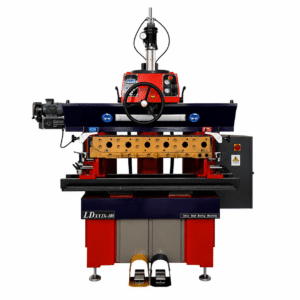
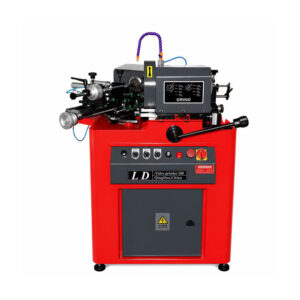
Request a Quotation for the T7220D
Looking for a cylinder boring and milling machine for your engine rebuilding or remanufacturing workshop? Contact RICHON to discuss your engine block dimensions, machining requirements, tooling configuration, and delivery arrangements.
Product: T7220D Cylinder Boring & Milling Machine
Maximum boring diameter: 200 mm | Maximum boring depth: 500 mm | Maximum milling area: 400 × 1000 mm