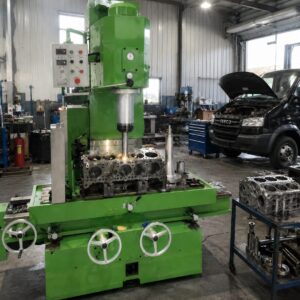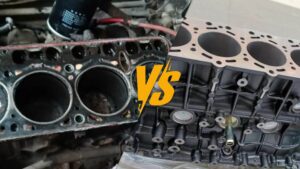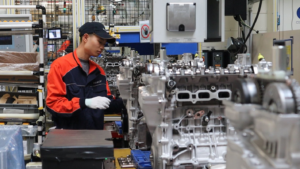
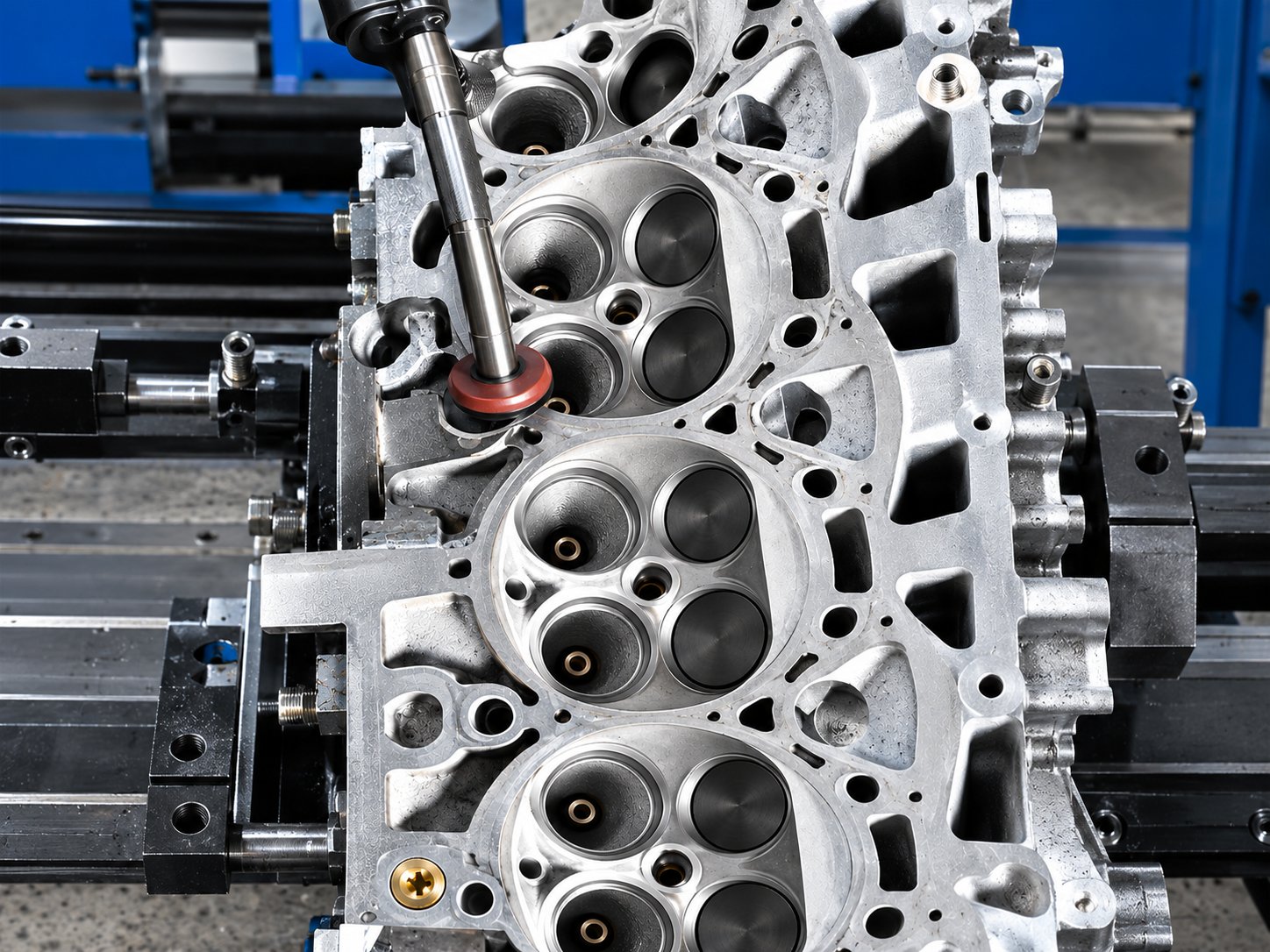
When an engine cylinder head requires reconditioning, valve seat accuracy is an important part of the repair process. Worn, burned, or damaged valve seats may need precision machining to restore proper valve-to-seat contact and support reliable engine operation.
For professional engine rebuilding workshops, cylinder head repair specialists, and engine machine shops, an air-floating valve seat boring machine provides a dedicated solution for valve seat machining.
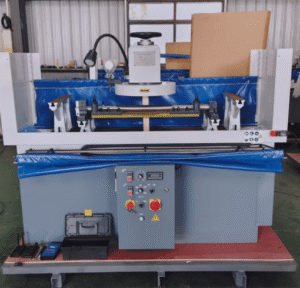
The LD180A Air-Floating Valve Seat Boring Machine is designed for cylinder head repair applications that require accurate positioning, controlled machining, and consistent working procedures.
1. What Is an Air-Floating Valve Seat Boring Machine Used For?
A valve seat boring machine is used to machine valve seat areas in engine cylinder heads during repair and reconditioning.
Typical applications include:
- Valve seat reconditioning: Machining worn or damaged valve seat areas according to the required repair dimensions.
- Cylinder head rebuilding: Supporting valve seat machining during engine overhaul and cylinder head restoration.
- Valve seat replacement preparation: Preparing the relevant seat area when a replacement valve seat insert is required, subject to the engine manufacturer’s repair procedure.
- Automotive and diesel engine repair: Supporting cylinder head repair services for suitable engines.
- Motorcycle and agricultural engine maintenance: Processing compatible cylinder heads within the machine’s machining range.
Before machining, technicians should inspect the cylinder head, valve guides, valve seats, and surrounding material to determine the appropriate repair method.
2. How Does the LD180A Air-Floating System Work?
Positioning is a critical step in valve seat machining. The cutter must be correctly aligned with the valve guide axis to achieve the required concentricity and seat geometry.
The air-floating worktable allows the operator to adjust the position of the workpiece or machining head more conveniently during setup. Combined with the machine’s centering mechanism, this helps establish the correct machining position.
Key advantages include:
- Flexible positioning: Helps operators adjust the workpiece during setup.
- Centering assistance: Supports accurate alignment for valve seat machining.
- Adjustable spindle speed: Allows the operator to select suitable machining conditions for the workpiece and cutting tool.
- Workshop versatility: Supports different cylinder head repair jobs within the specified machining capacity.
Actual machining accuracy depends on correct setup, machine condition, tooling, operator skill, and the applicable repair specifications.
3. Basic Valve Seat Machining Workflow
Step 1: Inspect the Cylinder Head
Clean the cylinder head and inspect the valve seats, valves, and guides. Check for wear, burning, cracking, and other damage before deciding whether machining is appropriate.
Step 2: Secure and Position the Workpiece
Mount the cylinder head securely and adjust its position using the machine’s worktable and centering arrangement. Confirm that the spindle is correctly aligned with the target valve guide.
Step 3: Select the Cutting Tool
Choose a suitable pilot and cutting tool based on the valve guide, valve seat dimensions, material, and required seat geometry.
Step 4: Perform Controlled Machining
Set the appropriate spindle speed and feed according to the machine instructions, tooling recommendations, and engine repair specifications. Machine the valve seat carefully while monitoring the process.
Step 5: Inspect the Finished Seat
Check the machined dimensions, concentricity, contact pattern, and valve sealing condition. Where equipped, a vacuum testing device can assist in checking valve-to-seat sealing.
This workflow is a general guide. Operators should follow the machine manufacturer’s instructions and the relevant engine service specifications.
4. Who Needs a Valve Seat Boring Machine?
Engine Rebuilding Workshops
Engine rebuilders need reliable machining equipment to support cylinder head reconditioning as part of their engine overhaul services.
Cylinder Head Repair Specialists
Specialist workshops can use dedicated valve seat machining equipment to handle repair jobs involving worn seats, replacement seat preparation, and related cylinder head work.
Diesel Engine Repair Centers
Workshops servicing compatible truck, agricultural, and industrial engines may require valve seat machining as part of their cylinder head repair operations.
Independent Engine Machine Shops
Machine shops offering cylinder head resurfacing, valve grinding, cylinder boring, and other engine machining services can integrate valve seat machining into their existing workflow.
The suitability of the LD180A depends on the actual valve seat diameter, cylinder head dimensions, tooling requirements, and engine type.
5. LD180A Technical Specifications
The LD180A model is designed for valve seat machining within the following published specifications.
- Valve seat machining diameter: 14–70 mm
- Spindle speed: 20–1,000 rpm
- Spindle motor power: 1.8 kW
- Maximum cylinder head width: 500 mm
- Maximum cylinder head height: 450 mm
- Workpiece crosswise tilting angle: +45° to −15°
- Maximum spindle inclination: 5.5°
Confirm the final configuration, electrical supply, air pressure, and tooling requirements with the supplier before placing an order.
6. How to Choose the Right Valve Seat Boring Machine
Before purchasing a valve seat boring machine, consider the following questions:
- What is the diameter range of the valve seats you normally machine?
- What are the maximum dimensions and weight of the cylinder heads you repair?
- Which engine types and cylinder head designs do you service?
- What pilots, cutters, and seat angles are required for your jobs?
- Do you need an integrated vacuum testing device or additional tooling?
- Does the machine’s electrical supply and compressed-air requirement match your workshop?
Selecting equipment according to actual repair work is more reliable than choosing a machine based on model name or spindle power alone.
7. Expand Your Cylinder Head Repair Capabilities
For engine rebuilding professionals, the right machining equipment can help establish a more organized cylinder head repair process.
The LD180A Air-Floating Valve Seat Boring Machine offers a dedicated solution for workshops that need to machine compatible valve seats during engine reconditioning.
Recommended Machines for Engine Rebuilding Workshops
- LD1200 Hydraulic Valve Guide Press – Multi-function valve guide press workstation for engine rebuilding.
- AB320 Connecting Rod Boring Machine – Precision boring and restoring for connecting rods.
- KSM850 Cylinder Head & Block Milling Machine – Resurfacing cylinder heads and blocks for flat, sealing-ready surfaces.
- TH170D Cylinder Boring Honing Machine – Cylinder boring and honing for engine block reconditioning.
Looking for a Valve Seat Boring Machine for Your Workshop?
Contact our team to discuss your cylinder head dimensions, machining range, tooling requirements, and application. We can help you evaluate whether the LD180A is suitable for your repair work.